Gear
Find the latest news about gadgets, smartphones, consumer technologies and electronics.

Spotify tests Apple's resolve with new pricing update in the EU
Spotify submitted a new update for Apple's approval that would display pricing right in the app.

Latest
- 2 hours ago
Spotify tests Apple's resolve with new pricing update in the EU
- 3 hours ago
The best gifts for teachers
- 4 hours ago
The Morning After: Testing the Rabbit R1's AI assistant skills
- 5 hours ago
Adobe's new upscaling tech uses AI to sharpen video
- 6 hours ago
The best MacBook accessories for 2024
- 8 hours ago
The best ereaders for 2024
- 17 hours ago
Threads has 150 million monthly users
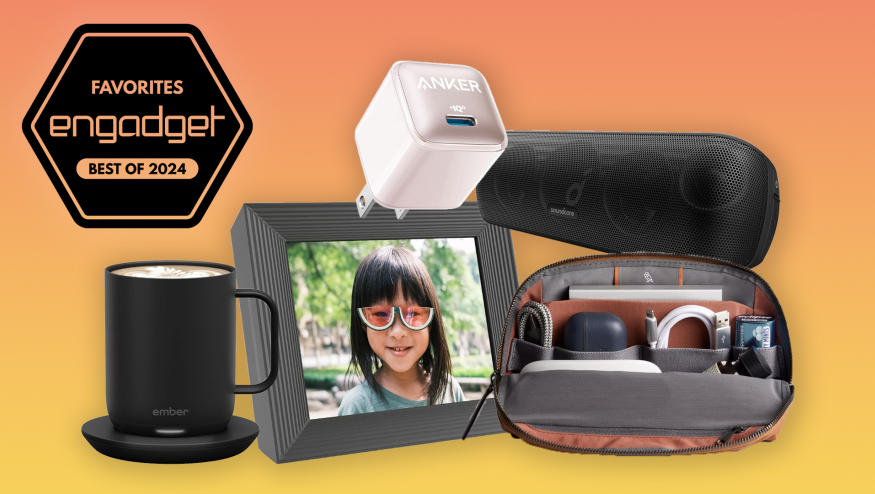
The best gifts for teachers
Show your favorite educator that you appreciate their hard work with these tech gift ideas.

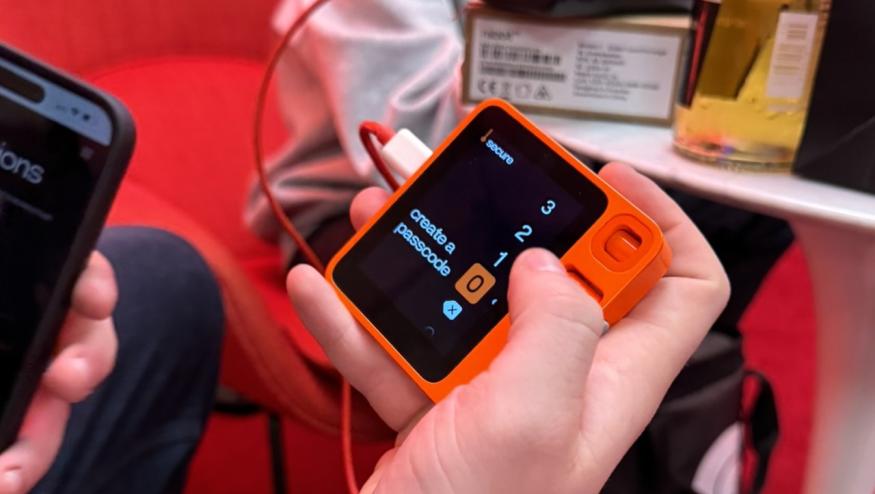
The Morning After: Testing the Rabbit R1's AI assistant skills
The biggest news stories this morning: TikTok Lite axes ‘addictive as cigarettes’ reward-to-watch feature, Joe Biden signs the bill that could ban TikTok, JetBlue’s in-flight entertainment system just got a watch party feature.


Adobe's new upscaling tech uses AI to sharpen video
Adobe has unveiled VideoGigaGAN, an experimental AI feature that can upscale video by eight times without the usual artifacts like flickering or distortion.

The best tech you can buy
The best gifts for teachers
Show your favorite educator that you appreciate their hard work with these tech gift ideas.
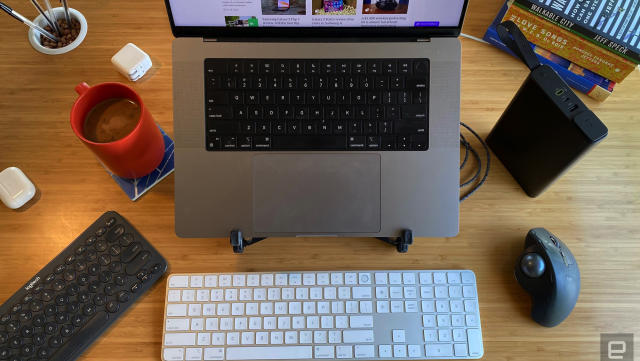
The best MacBook accessories for 2024
Here are the accessories we use and recommend to improve the ergonomics, connectivity and overall productivity of your MacBook.
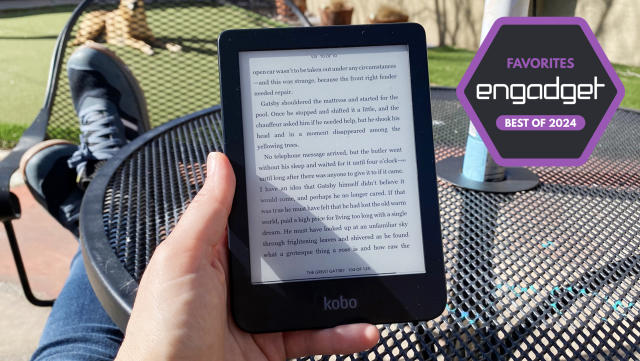
The best ereaders for 2024
We tested ereaders from Kobo, Amazon, Boox and more to see which one is the best overall, along with a budget pick and the best one with page-turn buttons.

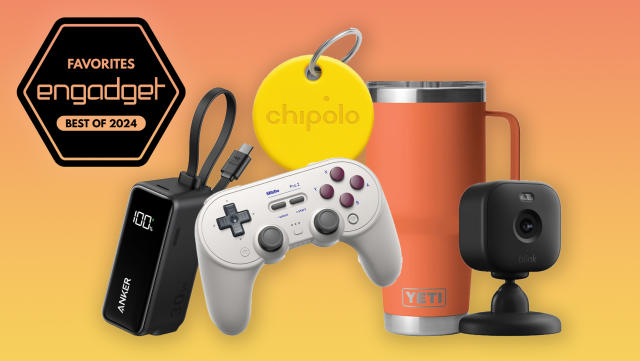
The best gifts for grads under $50
A great gift for the recent graduate in your life doesn't have the break the bank. Here are some tech gift ideas that will make their lives better, each coming in at $50 or less.

Latest news

Spotify tests Apple's resolve with new pricing update in the EU
Spotify submitted a new update for Apple's approval that would display pricing right in the app.
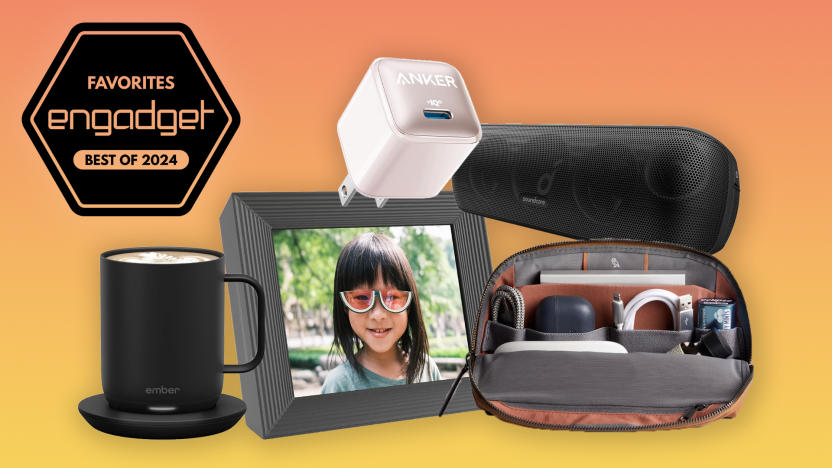
The best gifts for teachers
Show your favorite educator that you appreciate their hard work with these tech gift ideas.
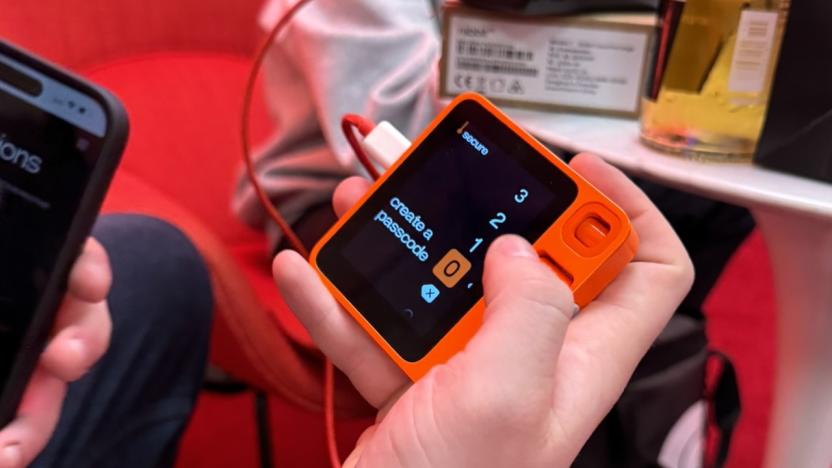
The Morning After: Testing the Rabbit R1's AI assistant skills
The biggest news stories this morning: TikTok Lite axes ‘addictive as cigarettes’ reward-to-watch feature, Joe Biden signs the bill that could ban TikTok, JetBlue’s in-flight entertainment system just got a watch party feature.

Adobe's new upscaling tech uses AI to sharpen video
Adobe has unveiled VideoGigaGAN, an experimental AI feature that can upscale video by eight times without the usual artifacts like flickering or distortion.

The best MacBook accessories for 2024
Here are the accessories we use and recommend to improve the ergonomics, connectivity and overall productivity of your MacBook.

The best ereaders for 2024
We tested ereaders from Kobo, Amazon, Boox and more to see which one is the best overall, along with a budget pick and the best one with page-turn buttons.
Threads has 150 million monthly users
Meta’s Threads app now has more than 150 million monthly users, an increase of about 20 million new users since February

TikTok Lite axes ‘addictive as cigarettes’ reward-to-watch feature under the EU’s watchful eye
The EU has effectively vanquished a TikTok feature that Europe’s digital commissioner described as “toxic” and “addictive as cigarettes.” TikTok owner ByteDance said on Wednesday that TikTok Lite’s reward-to-watch feature would be suspended.

Threads is testing automatic archiving for posts
Threads is testing a new archive feature that can be used to manually archive individual posts or automatically hide posts after a set period of time, Adam Mosseri shared.

WhatsApp is enabling passkey support on iOS
WhatsApp users on iOS will soon have a more secure way to log in. Meta is rolling out passkey support for that version of the app, several months after it did so for Android.
Rabbit R1 hands-on: Already more fun and accessible than the Humane AI Pin
At the Rabbit R1 pickup party, we were able to check out the adorable AI device that costs $200. It has a screen, scroll wheel and works with some third-party apps.

Google has delayed killing third-party cookies from Chrome (again)
Google has once again delayed the phasing out of third-party cookies from Chrome. Now the company says it’ll happen in 2025.

Joe Biden signs the bill that could ban TikTok in the United States
The bill that will force a sale or ban of TikTok in the United States is now law.
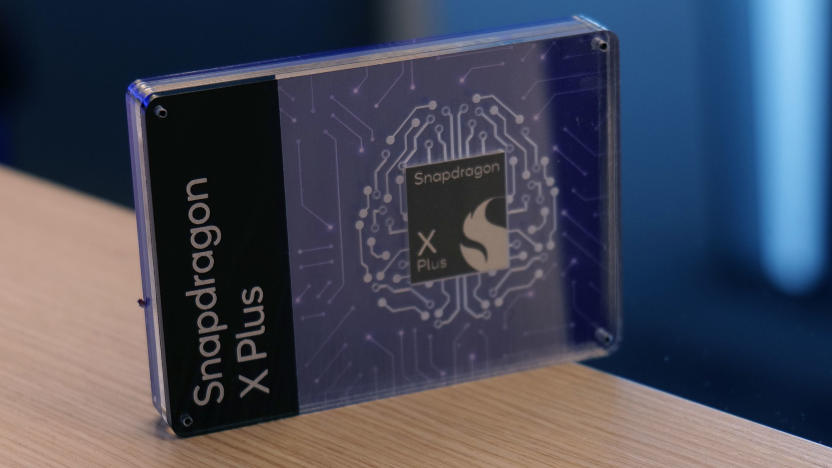
Qualcomm is expanding its next-gen laptop chip line with the Snapdragon X Plus
Ahead of the Snapdragon X Elite's arrival later this year, today Qualcomm announced a second laptop processor based on its Oryon CPU architecture.

Windows 11 now comes with its own adware
It used to be that you could pay for a retail version of Windows 11 and expect it to be ad-free, but those days are apparently finito.

FTC bans employers from using noncompete clauses
The US Federal Trade Commission (FTC) has banned noncompete clauses in a move to "drive innovation" and protect workers' rights and wages.
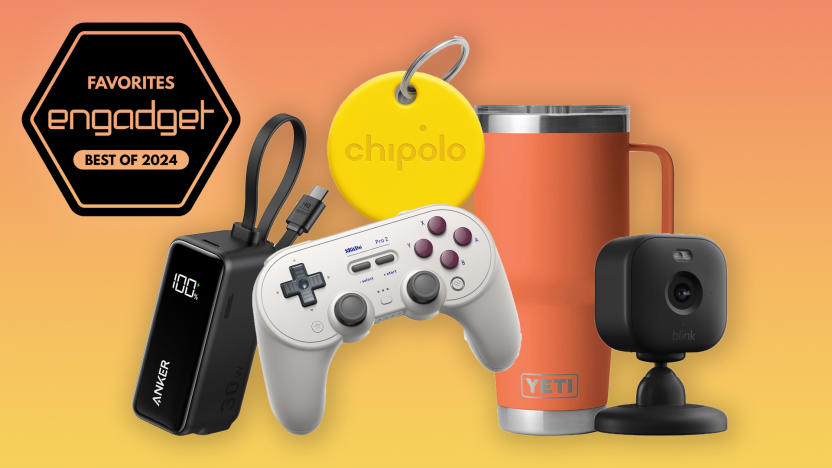
The best gifts for grads under $50
A great gift for the recent graduate in your life doesn't have the break the bank. Here are some tech gift ideas that will make their lives better, each coming in at $50 or less.
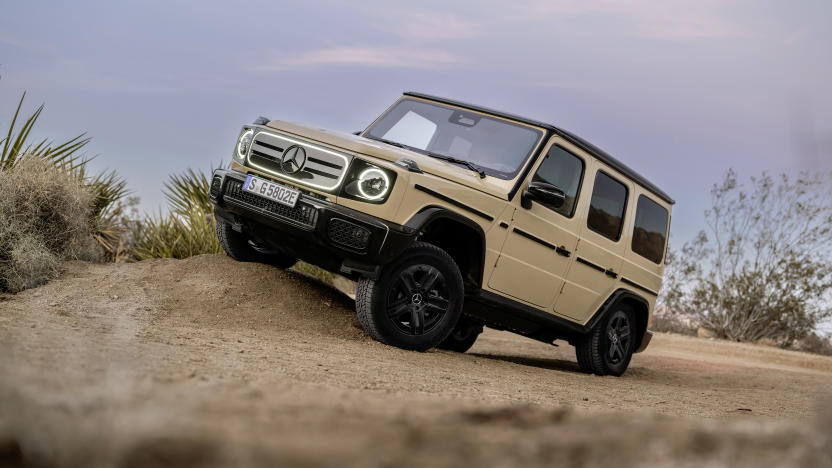
Mercedes-Benz quad-motor G-Class could be the ultimate EV off-roader
The Mercedes-Benz G-Class has been in regular production since 1979. It's changed a lot since then, but it's never seen a change quite like this. Meet the Mercedes-Benz G 580 with EQ Technology.

The Morning After: Senate passes the bill that could ban TikTok
The biggest news stories this morning: X, for some reason, has a TV app now, The best travel gear for graduates, Adobe Photoshop’s latest beta makes AI-generated images from simple text prompts.
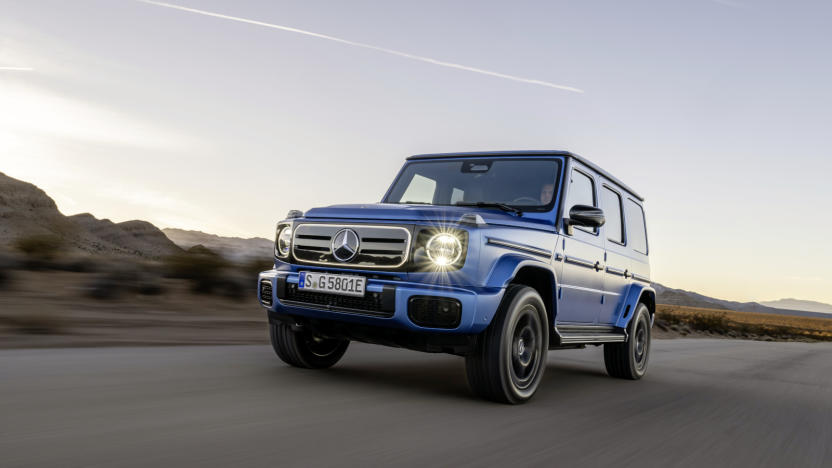
Mercedes-Benz finally unveils its electric G-Class luxury off-roader
The Mercedes-Benz G 580 with EQ Technology is the first fully electric variant of the G-Class vehicle.


